
It can be easy to dismiss occasional feelings of nervousness, stress, fear or general anxiety as just a part of the human condition. However, when anxiety becomes persistent and seemingly uncontrollable, it can be debilitating, leaving you feeling like there is no light at the end of the tunnel. Sometimes, no matter what I do, the only thing that abates my post-drinking anxiety is waiting it out. At the very least, I find comfort in remembering that my shaky-emotional-ground feeling, no matter how intense, will dissipate soon enough.
Recognizing the Symptoms
However, the relationship between spirit consumption and anxiety is different. A one-way right-directional Granger causality from anxiety to spirit consumption was observed only in Antigua and Barbuda. A one-way left-directional Granger causality from spirit consumption to anxiety was represented only in Barbados. Saint Kitts and Nevis and the United States showed no causal relationship between spirit consumption and anxiety. Andorra, Croatia, Germany, Italy, Norway, Slovakia, and Slovenia display bidirectional causality. There was no Granger causal relationship between anxiety and wine consumption in ten high-income countries.
Acceptance and commitment therapy (ACT)
The brain’s pleasure centers are only temporarily stimulated, leading to a fleeting sense of happiness. For someone seeking long-term relief, this can become problematic as the desire for continued relief leads to increased consumption. Generally, the more you drink, the more intense your hangover symptoms might be, and the worse you are likely to feel. There isn’t one clear answer to this question, as several factors can play a role in whether someone experiences hangover-related anxiety.

Opponent process model
While it might be tempting to turn to alcohol to manage feelings of anxiety, it can be a slippery slope that worsens anxiety problems and increases your risk of developing an alcohol use disorder. Instead of alcohol, consider talking to a mental health professional about effective anxiety management options, which may include psychotherapy and medication. Sometimes, people turn to alcohol or https://ecosoberhouse.com/ other substances to help them hide from their problems or cope with symptoms of mental illness.
How Alcohol Affects Anxiety Disorders
Sunnyside Med offers access to compounded naltrexone (50mg + B6 5mg), paired with behavioral tools to help you reduce your drinking over time. Individuals who suffer from Panic Disorder are prone to recurring, severe panic attacks. They are so frequent that people with Panic Disorder are often anticipating the next one. These attacks can mean sweating, pounding heart, shaking, choking, shortness of breath, or a sense of impending doom.
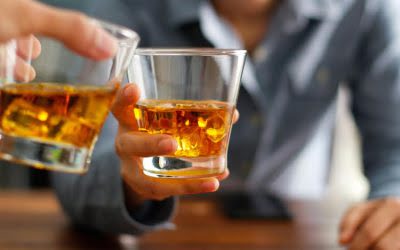
These effects can make it seem like drinking alcohol is providing the person with relief from their anxiety. Typologies are the oldest formal approach to categorizing alcohol misuse accompanied by strong negative affect. Antidepressants may be taken every day to help treat anxiety, while benzodiazepines are generally used for temporary relief from uncontrollable feelings of anxiety. Long-term heavy drinkers may be predisposed to developing an anxiety disorder. Research shows that people with alcoholism find it difficult to recover from traumatic events. This is possibly because of the effects of alcohol abuse, which can actually change brain activity.
- In this stage, compulsive substance use is aimed, in part, at decreasing the negative affect caused or aggravated by the allostatic reset in the brain’s stress and mood systems.
- It is crucial to understand that Granger causality finds predicted associations based on temporal patterns rather than establishing actual causation in the conventional sense.
- The COGA investigation will gather more data regarding potential alcoholic subtypes and will continue to explore possible genetic linkages between alcohol dependence and major depressive and major anxiety disorders.
Preventing hangover anxiety
- Finding a place that understands how to treat your anxiety disorder can be the difference between failure and long-term recovery.
- Further research should aim to incorporate these factors to gain a more comprehensive understanding of how social cultural dynamics influence drinking behaviors and mental health outcomes across different high-income settings.
- Decreasing the mental pressure of a country’s workforce will expand the workers’ most economic efficiency.
- Breaking free from this cycle requires recognizing the problem and taking proactive steps towards healthier coping mechanisms.
- Spirits have a variety of functions in people’s lives, from festive beverages to coping strategies 7, 13.
- The most consistent results relate to manic episodes, wherein manic-depressive patients show a small but significant increased risk for alcoholism (Winokur et al. 1993).
But anxiety and alcohol we also want to remind you that these articles are not meant as a substitute for medical advice, diagnosis, or treatment. Before you start drinking, set an intention around how much you want to drink. Moderate drinking can be part of a healthy lifestyle, but some people find it hard to cut back, despite the consequences. If this is the case for you, it could be an indicator that you need more support. If the anxiety lasts more than a couple of days or persists despite your drinking less, it’s a good idea to talk to a medical professional about anxiety treatment. We’ll help you understand why it happens, what to do about it right now, and how to prevent it in the future.
- This insularity and particularism continue to impose significant opportunity costs in this field.
- Anxiety may persist for hours, days, or even weeks after the last drink, particularly during withdrawal.
- Furthermore, social cultural factors such as stigma surrounding mental health, access to treatments, and community support can also mediate the interplay between alcohol consumption and anxiety.
- Drink long enough — or hard enough — and you’re probably familiar with the dreadful feeling that comes the morning after a night of over-imbibing.
Treatment for Alcohol Use and Anxiety Disorders

In many cases, self-medicating leads to other problems, including worsening symptoms and substance use problems. This is characterized as the impulsive stage of addiction because the goal of increasing pleasure, rather than avoiding or escaping discomfort, motivates seeking alcohol or other drugs. Increasingly, this Alcoholics Anonymous research includes examination of the long-term genetic and environmental influences on stress reactivity and regulation and their connections to the development of AUD vulnerability.
Research has shown that the more anxiety, depression, and stress symptoms you have, the more severe your hangovers can be. Research has found that some people have “hangxiety,” or anxiety after drinking alcohol. A blinding headache, nausea, and fatigue are the classic signs of a hangover. Anxiety and irritability can also occur with a hangover the day after drinking. You might be more likely to have hangxiety if you have existing anxiety or depression. Because genes influence how your body processes alcohol, some people may experience more intense hangover symptoms, such as headaches or dehydration.